
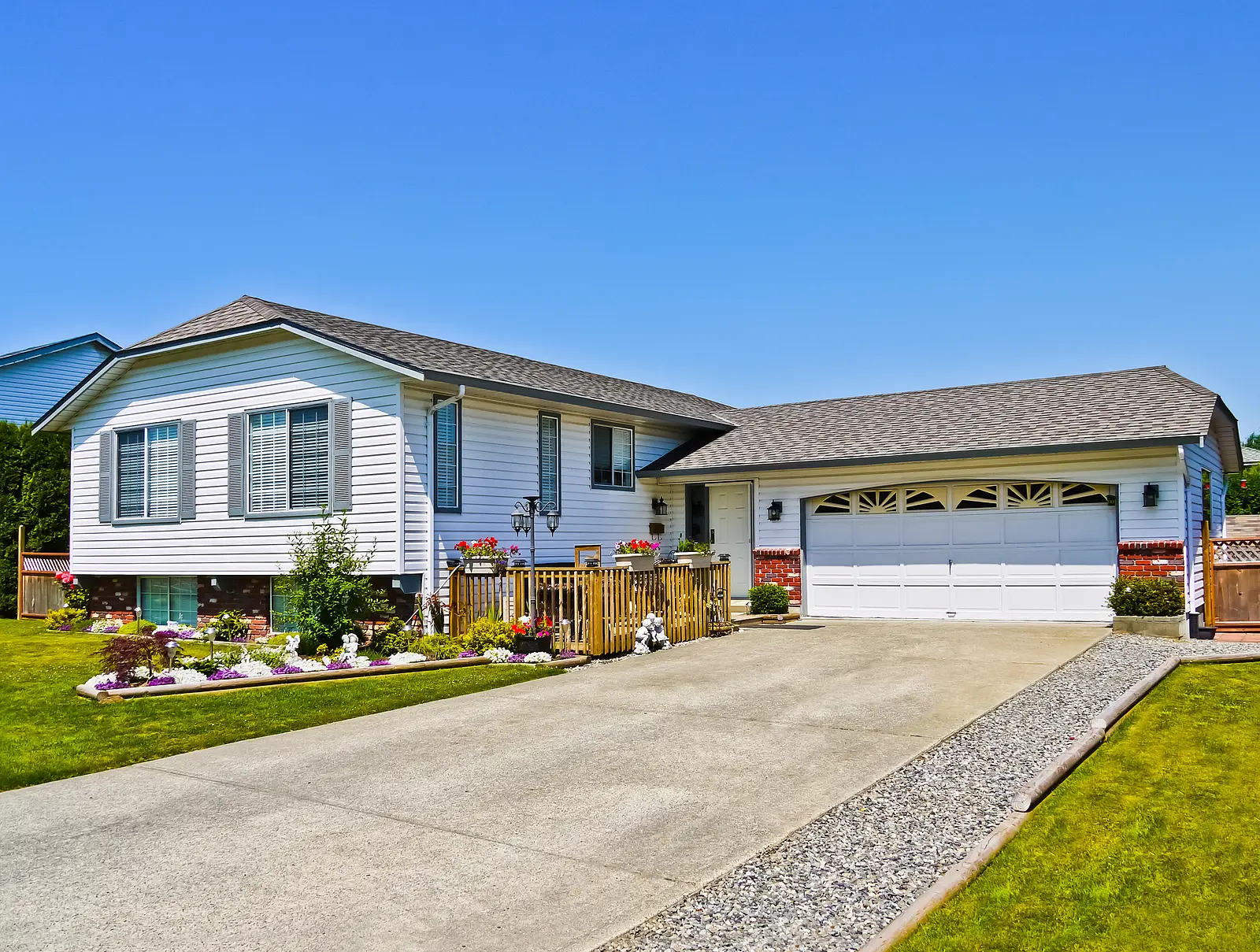
Residents expect HOA rules to create order, protect property appearance, and support long-term community standards. Problems start when enforcement feels inflexible or disconnected from everyday situations. In many Fort Lauderdale neighborhoods, homeowners become frustrated when every issue receives the same response regardless of context. Associations that focus on strong compliance practices often create better cooperation because residents understand both the rules and the reasoning behind them.
HOA boards regularly manage competing expectations. Some homeowners want faster enforcement against violations, while others expect more flexibility during difficult situations. That pressure can create tension between residents and leadership when communication is unclear.
South Florida communities also face seasonal population shifts, storm-related maintenance concerns, and changing resident needs. Those conditions make thoughtful enforcement especially important for Fort Lauderdale associations trying to maintain stability without creating unnecessary conflict.
The strongest communities rely on consistency supported by communication, documentation, and practical decision-making. Residents are far more likely to cooperate when they believe the process feels fair.
Key Takeaways
- Consistent HOA enforcement supports stronger resident trust and cooperation.
- Rigid rule enforcement can increase tension inside residential communities.
- Clear communication helps prevent small violations from becoming major disputes.
- Written exception policies improve transparency during enforcement decisions.
- Professional HOA guidance helps boards maintain organized compliance systems.
Why Consistency Still Matters in Residential Communities
Residents expect HOA rules to apply equally throughout the neighborhood. Without consistency, homeowners may assume that favoritism influences board decisions.
That perception often creates frustration faster than the violation itself. Residents pay attention to how the board responds to parking issues, landscaping concerns, exterior modifications, and maintenance violations.
Predictable Enforcement Builds Confidence
Communities operate more smoothly when homeowners know what to expect. Predictable enforcement gives residents a clearer understanding of timelines, procedures, and consequences.
National research shows that 86% of residents in community associations rate their overall living experience as positive or neutral. Resident satisfaction often depends on whether homeowners believe the HOA applies policies fairly across the community.
Consistent enforcement also protects board credibility. When decisions follow documented standards, associations spend less time defending individual actions.
Expectations Increase Alongside Enforcement
As enforcement becomes more organized, residents usually pay closer attention to HOA activity. Small issues can quickly become sources of disagreement because expectations are higher.
Some communities also experience lower participation levels during periods of weak engagement. Boards addressing inactive community resources often find that stronger communication improves overall cooperation between residents and leadership.
When Strict Enforcement Creates Unnecessary Conflict
Rules help communities stay organized, but every situation does not fit neatly inside a standard policy timeline. Residents may experience emergencies, financial strain, medical issues, or weather-related delays that temporarily affect compliance.
When associations ignore those circumstances completely, enforcement can feel disconnected from reality.
Residents Want Reasonable Judgment
Most homeowners understand that rules matter. Problems usually develop when residents believe the board refuses to consider context.
Several situations commonly increase frustration during enforcement:
- Delayed exterior repairs after severe storms
- Temporary parking adjustments during family emergencies
- Landscaping issues caused by contractor shortages
- Missed paperwork deadlines during relocations or medical situations
Residents often cooperate more willingly when boards communicate clearly and allow practical solutions within established guidelines.
Tension Escalates Quickly Without Flexibility
Rigid enforcement sometimes encourages residents to challenge decisions publicly or file formal complaints. What begins as a minor issue can eventually damage relationships throughout the community.
This becomes especially noticeable during periods of leadership transition. Many associations already work to reduce disruption connected to board leadership turnover because inconsistent communication during those periods often increases resident frustration.
HOAs perform better when policies support a structure without removing practical judgment from the process.
Communication Problems Often Make Enforcement Worse
Many enforcement disputes begin because residents feel confused or blindsided by violation notices. Generic communication can sound abrupt, especially when homeowners do not understand the reason behind a rule.
That frustration grows when residents struggle to receive updates or responses after contacting the association.
High Workloads Limit Communication Quality
Industry reporting shows that HOA management teams may oversee approximately 42 active violation cases at one time. Each case often requires several hours of administrative follow-up involving notices, documentation, resident communication, and inspections.
At that volume, standardized notices become common. Unfortunately, generic notices can feel impersonal when residents already feel stressed or frustrated.
Boards improve outcomes when communication focuses on clarity instead of punishment.
Better Communication Encourages Cooperation
Residents respond more positively when associations explain the purpose behind rules instead of only listing violations.
Effective enforcement communication should include:
- A clear explanation of the issue
- Specific deadlines or next steps
- Respectful language
- Contact information for follow-up questions
Boards that prioritize communication often experience fewer disputes and stronger voluntary compliance from residents.
Communities working on stronger neighborhood harmony frequently see better long-term participation because homeowners feel more respected throughout the process.
Strategic Flexibility Helps Communities Operate Better
Flexibility does not mean ignoring rules. Strong associations create systems that allow boards to handle unusual situations fairly while still protecting community standards.
That balance helps reduce conflict and encourages better cooperation over time.
Written Exception Policies Reduce Confusion
Boards should establish documented procedures explaining when exceptions may apply. Clear guidelines prevent arbitrary decisions and create more transparency for residents.
Effective exception policies often include:
- Temporary hardship situations
- Weather-related delays
- Medical emergencies
- Contractor scheduling issues
Documented policies help associations maintain consistency even when adjustments become necessary.
Documentation Protects the Board
Every enforcement decision should include written records explaining the outcome and reasoning behind it. Proper documentation helps protect associations if residents question the process later.
It also creates stronger continuity when board membership changes over time.
Many Fort Lauderdale communities benefit from organized property inspection services because consistent documentation reduces confusion during ongoing enforcement efforts.
Stronger Board Support Leads to Better Enforcement Decisions
Board members often manage complex enforcement issues while balancing volunteer responsibilities. Without proper support, decision-making can become inconsistent or reactive.
Professional guidance helps boards maintain a better structure throughout the enforcement process.
Training Improves Consistency
Associations operate more effectively when board members understand communication standards, documentation procedures, and compliance expectations.
Access to board member guidance gives HOA leaders better tools for handling difficult conversations while protecting community relationships.
Training also reduces the likelihood of emotional or inconsistent responses during disputes.
Compliance Systems Work Better With Ongoing Oversight
Communities benefit from regular monitoring and organized follow-up procedures. Consistent oversight helps associations identify concerns before they escalate into larger problems.
Many residential associations strengthen operations through scheduled compliance reviews that support long-term community standards while improving communication with residents.
Clear systems help boards maintain fairness without creating unnecessary pressure throughout the neighborhood.
FAQs about HOA Rule Enforcement in Fort Lauderdale, FL
Can HOA boards pause enforcement during emergencies or severe weather?
Yes. Many Fort Lauderdale associations temporarily adjust enforcement timelines after hurricanes, flooding, or major emergencies. Written policies help boards apply those adjustments consistently while still protecting long-term community standards and expectations for residents.
Why do residents sometimes resist HOA violation notices?
Residents often become frustrated when notices feel unclear, overly harsh, or disconnected from their circumstances. Better communication and respectful explanations usually improve cooperation while reducing formal complaints and neighborhood tension throughout the enforcement process.
How can HOA boards avoid claims of favoritism?
Boards reduce favoritism concerns by documenting decisions carefully, following written procedures, and applying rules consistently throughout the community. Transparency helps residents understand why enforcement decisions were made and improves overall trust in leadership.
Should HOA boards allow exceptions to community rules?
Reasonable exceptions can help associations handle emergencies, medical issues, or weather-related delays more effectively. The key is creating documented guidelines so flexibility remains consistent and fair for all residents within the community.
What role does professional HOA management play in compliance enforcement?
Professional management helps boards organize documentation, improve communication, schedule inspections, and maintain more consistent enforcement procedures. That support often reduces disputes while helping communities operate more efficiently over time.
Creating Stronger HOA Relationships Through Fair Enforcement
Fort Lauderdale communities operate best when residents believe enforcement supports the neighborhood instead of punishing homeowners unnecessarily. Consistency matters, but flexibility and communication are equally important for maintaining trust across residential associations.
The most effective boards focus on clear expectations, respectful communication, and organized enforcement procedures that account for real-life situations. That balance helps communities avoid unnecessary disputes while preserving long-term property standards.
At PMI Broward Sunrise, we help residential associations improve communication, maintain organized compliance systems, and support fair enforcement strategies that strengthen community relationships. Protect your community standards with professional compliance support designed for Fort Lauderdale HOA communities.
